We all know the value of passwords these days, although passwords aren't always words. Sometimes they're numbers, or combinations of letters and numbers. However they're composed, though, passwords protect our data, safeguarding personal information and preventing intruders from gaining access. Passwords are electronic guardians.But what happens if we forget our passwords? Then we're the ones who are locked out. We can't get into our bank account. We can't access that file with the information we need for tomorrow's report. We can't get into the website to post our latest thoughts. We can't play that game online. We can't even read our email.
Without our password, we're like the hacker or the thief. Indeed, there's no way to tell us apart, without the password.
What protected us, distinguished us, identified us, gave us exclusive entrance into "the world" (our world) became a barrier, locking us out of ourselves, frustrating and angering us, forcing us to hack into who we are.
But why do we forget our passwords? How do we let such valuable information slip from our minds? Often, of course, we don't forget the whole password, only part of it. Part of it we remember, but part we forget. Or we confuse our passwords, mixing them up. We may have two, three, a dozen - depending on how many places on line we shop or do our banking and bill-paying. But still, we make up passwords that have some connection to us. They come from our experiences and our memories. So how can we forget them?
The Torah and mitzvot (commandments) are spiritual data, the "bank account" and "websites" of our souls, so to speak. And we need to know how to gain access to those important and very private locations.
Saying a bracha (blessing) before eating is an example of a password that can help gain entry to the spirituality in a fruit or other food.
Regarding tzitzit, the Torah says "You will see them and remember all the commandment of the L-rd and you will do them. And you will not wander after your hearts and your eyes which you use to go astray."
Tzitzit - the fringes at the end of the a tallit - are a mnemonic password, with the numerical value of its letters, strings, and knots adding up to 613, the number of mitzvot.
The tzitzit serve as a visual password when we see them - and focus on the meaning they evoke, what they remind us to do - or not to do. If we mix up the messages, we risk being led astray by distracting sights.
And we can somehow confuse our passwords, by substituting our own values for those of the Torah, for example assuming that "social justice" can substitute for Shabbat or that prayer can take the place of helping our fellow man.
So remembering our spiritual passwords, and which one belongs where, can help us connect to our spiritual gateways and get us in to our most essential personal information.


The Soul

G-d's Candle is Man's Soul
About Me

- Rabbi Rapp
- Melbourne, Victoria, Australia
- My aim to help students develop into proud and effective Jews empowering them to lead an optimistic, meaningful life and actualising their full potential. It is during these years at university that a strong and accessible organisation such as ours is so important. We are here to assist you.
Monash Clayton - Wednesdays 1.00 pm to 2.00pm

"Rabbi Yoseph Nerenberg gives a shiur
Monash Caulfield Lunchtime lectures
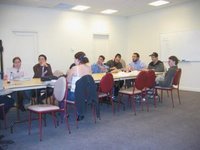
Merkos presents "Rabbi Yoseph Nerenberg"
No comments:
Post a Comment