But now, do not be sad (Gen. 45:5)
A person must do whatever is necessary to avoid sadness and depression. This is the meaning of the verse, "My sin I will declare; I am worried about my transgression" - "worrying" about one's sins is harmful, and sinful in itself. Rabbi Mordechai Malkowitz used to say: The only worry a person is permitted to dwell upon is the worry that he is worried!
You shall tell my father of all my glory ("kevodi") in Egypt (Gen. 45:13)
The literal meaning of "kavod" is heaviness, weight or gravity. In other words, Joseph was asking his brothers to tell their father Jacob that despite his being in the spiritually unclean land of Egypt, he had managed to remain strong and connected to G-d.
(Butzina D'nehora)
I will go down with you to Egypt; and I will also surely bring you up again (Gen. 46:4)
The Jewish people can rest assured they will eventually go out of exile, as the time must ultimately come for G-d to be revealed in the world. The only way this revelation can happen is for the Jewish people to be redeemed and their true advantage revealed in the world.
(Beit HaLevi)
And Joseph gathered up all the money that was found...for the grain ("shever") that they bought ("shovrim") (Gen. 47:14)
The Midrash relates that the coins of ancient Egypt bore the likeness of an idol. How, then, could Joseph have had anything to do with an object that was tainted by idolatry? The answer lies in an alternate interpretation of the word "shever," which can also mean "to break." Before giving the coins to Joseph the Egyptians broke them up in pieces, thereby nullifying their idolatrous quality.
(The Rabbi of Zidatchov)


The Soul

G-d's Candle is Man's Soul
About Me

- Rabbi Rapp
- Melbourne, Victoria, Australia
- My aim to help students develop into proud and effective Jews empowering them to lead an optimistic, meaningful life and actualising their full potential. It is during these years at university that a strong and accessible organisation such as ours is so important. We are here to assist you.
Monash Clayton - Wednesdays 1.00 pm to 2.00pm

"Rabbi Yoseph Nerenberg gives a shiur
Monash Caulfield Lunchtime lectures
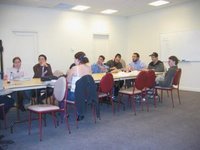
Merkos presents "Rabbi Yoseph Nerenberg"
No comments:
Post a Comment